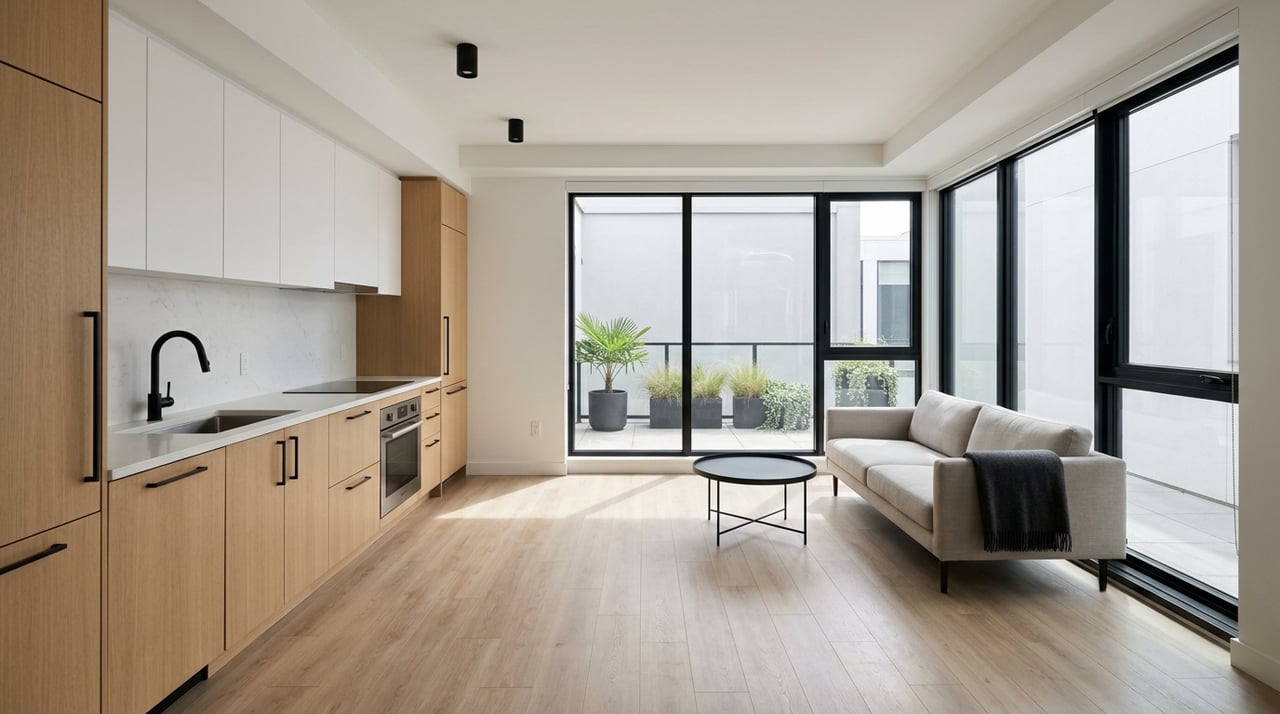
Bay St. Louis Condo vs House: Choosing the Right Fit
July 2, 2026
July 2, 2026
If you are deciding between a condo or a cottage in Bay St. Louis, the right answer depends less on square footage and more on how you want to live. Some buyers want a low-maintenance home base near Old Town’s restaurants, harbor, and events, while others want more privacy, a yard, and direct control over the property. When you understand how ownership costs, parking, flood considerations, and local rules affect each option, the choice becomes much clearer. Let’s dive in.
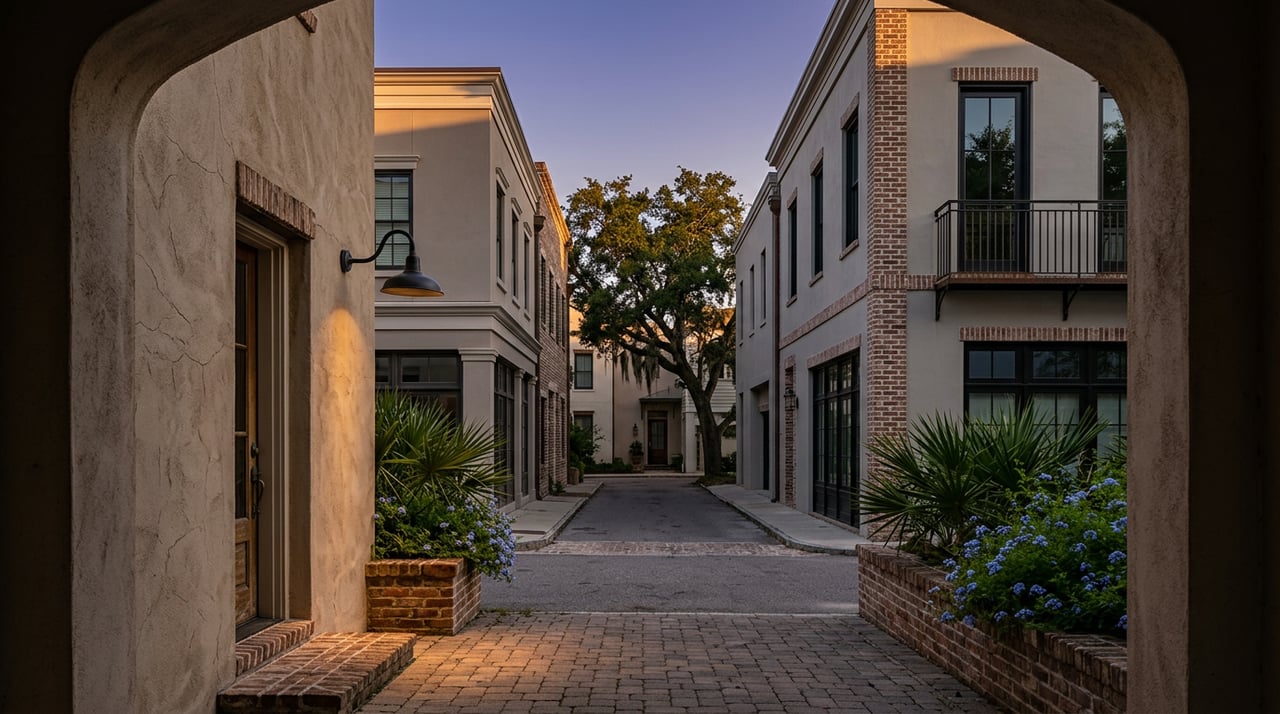
Bay St. Louis is not a one-size-fits-all market, and Old Town makes that especially clear. The city’s comprehensive plan describes the Old Town Core as the traditional heart of the city, with a mix of residential, commercial, cultural, civic, and open-space uses in a pedestrian-oriented setting.
That matters because a condo and a cottage can offer very different day-to-day experiences, even if they are only a few blocks apart. In Old Town, your decision is often about lifestyle as much as property type.
Old Town is built around access and activity. The city hosts a monthly Second Saturday Art Walk, and the historic district includes cafes, restaurants, the harbor, and other local attractions within an easy-to-enjoy setting.
If you picture yourself walking to dinner, spending weekends near downtown events, or enjoying a home base you can lock and leave, a condo often fits that pattern well. If you want more separation from the activity and more space around your home, a cottage may feel like the better match.
A condo can be a strong fit if you want simplicity and convenience. Instead of taking care of every exterior detail yourself, you are typically sharing responsibility through an owners association.
That does come with tradeoffs. You gain a more managed ownership experience, but you also take on recurring dues and association rules.
One of the biggest budgeting mistakes buyers make is focusing only on the loan payment. Condo ownership usually includes HOA dues that are paid separately from the mortgage, so you need to factor those into your monthly costs from the start.
You should also ask what those dues cover. Condo associations often handle shared structures and common areas, which can include items like roofs and driveways.
Insurance is another area where condos and cottages differ. Condo associations commonly carry a master insurance policy for common areas, but you still need insurance for your own unit.
That makes it important to understand where the association’s coverage stops and your personal policy begins. Before you buy, ask for a clear explanation of the building’s master policy and what you would still need to insure yourself.
For many buyers in Bay St. Louis, the biggest condo advantage is ease. If you are a second-home buyer, weekend user, or downsizer, a condo can offer a home that is easier to leave between visits.
That kind of setup aligns especially well with Old Town living. You are closer to dining, events, and the waterfront, without the same level of hands-on exterior upkeep that often comes with a detached house.
A cottage offers a different kind of freedom. You usually have more privacy, more direct control over the property, and often a yard or outdoor space that feels more personal.
For some buyers, that is worth the added responsibility. For others, the maintenance side of the equation can become a burden over time.
With a detached home, you are generally responsible for maintenance and repairs, from small fixes to larger projects like roof replacement. You also need to budget for utilities, repairs, insurance, and flood-related costs where applicable.
That gives you more control, but it also means fewer shared responsibilities. If you enjoy managing a property and want the flexibility to make more decisions yourself, a cottage may appeal to you.
If you are thinking about expanding, reworking, or adding onto a cottage, local site rules matter. Bay St. Louis says a typical single-family house must meet setbacks of 25 feet in front, 8 feet on the sides, and 20 feet in the rear.
That may not sound important at first, but it can shape what you can do with the lot later. If future additions are part of your plan, make sure you review those limits early.
For older cottages near Old Town, historic-district rules can play a major role. Bay St. Louis has a Historic Commission that reviews historic, cultural, and architectural resources, and parts of Old Town overlap historic districts governed by preservation rules.
If you love the character of an older cottage, that can be part of the appeal. Still, you should confirm whether exterior changes, additions, or design updates may need review before you commit.
Parking is a practical issue in Bay St. Louis, especially in and around Old Town. The city provides several public and free parking options, including the 115-space Court Street parking garage and smaller public lots on Main Street and Beach Boulevard.
At the same time, the city says on-street parking should not be used overnight. That makes parking a real lifestyle factor, not just a small detail.
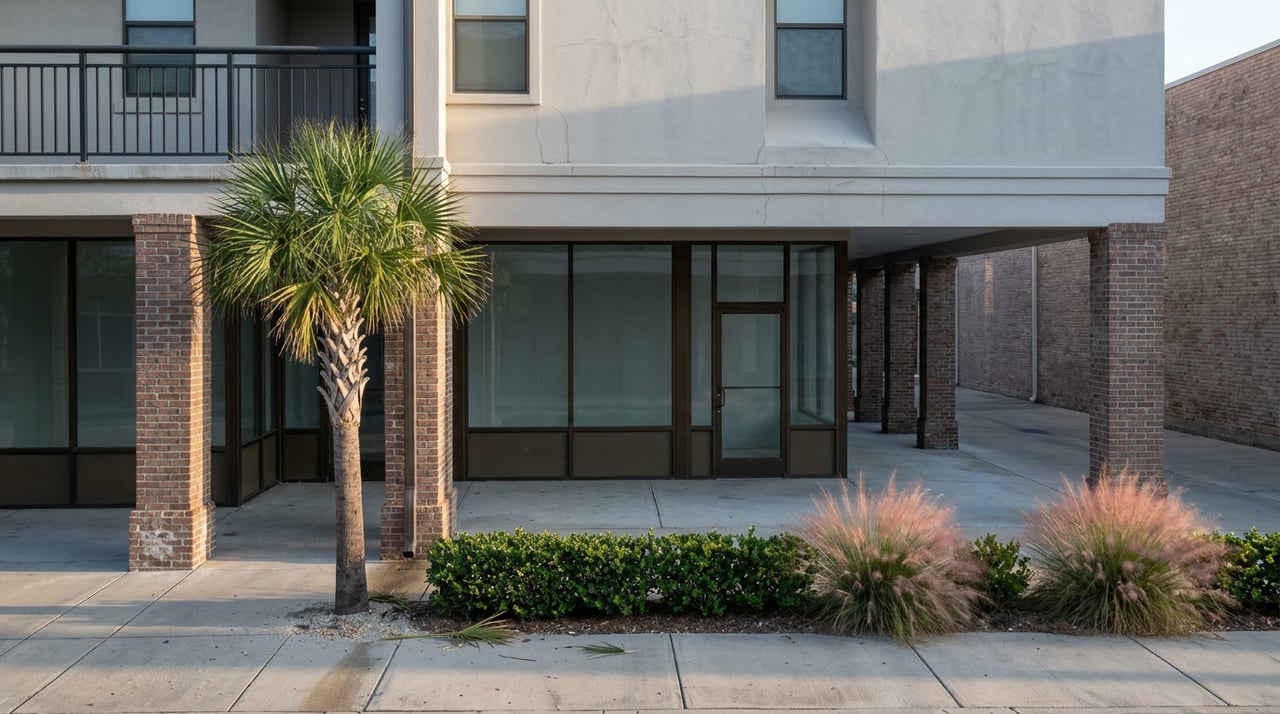
In a walkable downtown setting, assigned or private condo parking can be a major advantage. When Old Town is busy, having a more predictable parking setup can make daily life easier for both owners and guests.
That is one reason condo living can feel more streamlined in the downtown core. You are buying into a setup designed around a denser, more pedestrian-oriented environment.
A cottage may give you more space, but parking still needs attention. If you expect frequent visitors, host overnight guests, or plan future short-term rental use, access and overnight parking rules should be part of your decision.
This is especially true near active downtown areas where public demand for parking rises during events and weekends.
On the Mississippi coast, flood risk should be part of any buying decision. Bay St. Louis’ comprehensive plan says the city lies fully within classified FEMA flood zones, with much of the city in the 100-year and 500-year floodplains.
That does not automatically point you toward one property type over the other, but it does mean you should compare each option carefully. A standard homeowners policy generally does not include flood insurance, and flood coverage is often required in designated special flood hazard areas.
Whether you are considering a condo or a cottage, ask early about flood-zone status and likely insurance costs. Those numbers can affect both affordability and long-term comfort with the purchase.
For Bay St. Louis buyers, this is not a side issue. It is one of the clearest examples of why two homes with similar price tags may carry very different total ownership costs.
If investment potential is part of your plan, Bay St. Louis now has a formal short-term-rental permitting system. The city requires operators to obtain a permit, complete annual registration, pass an inspection, and include a unique registration number in advertisements.
The city’s renewal instructions also say the application must include a parking plan. That means location, access, and building rules can directly affect whether a property works for your rental strategy.
A strong Old Town location can be appealing, but investors still need to verify the details. If you are comparing a condo and a cottage for rental use, confirm the city permit requirements, parking plan needs, and any association rules before making assumptions.
This is one area where practical due diligence matters more than broad market excitement. A property may look perfect on paper but still need local approval steps that shape how you can use it.
The better choice usually comes down to how you want to spend your time and what responsibilities you want to carry. Bay St. Louis offers both walkable downtown energy and more traditional detached-home ownership, but those experiences are not interchangeable.
Here is a simple way to think about it.
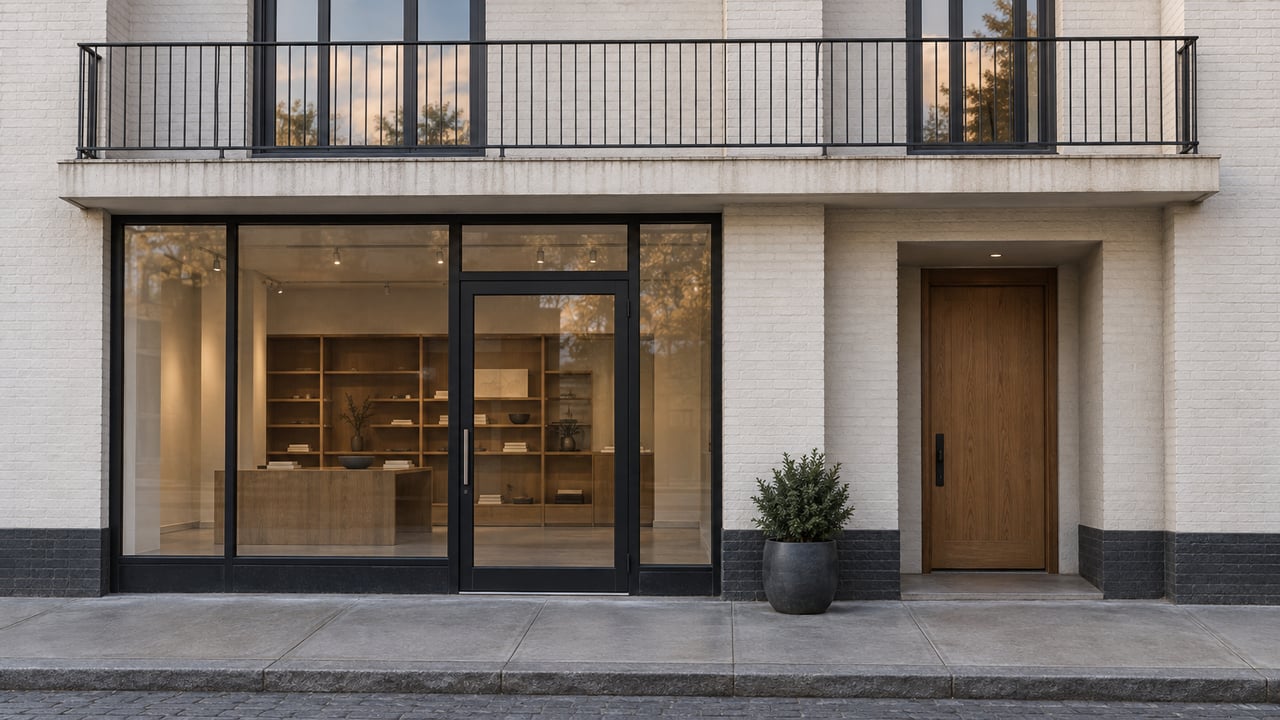
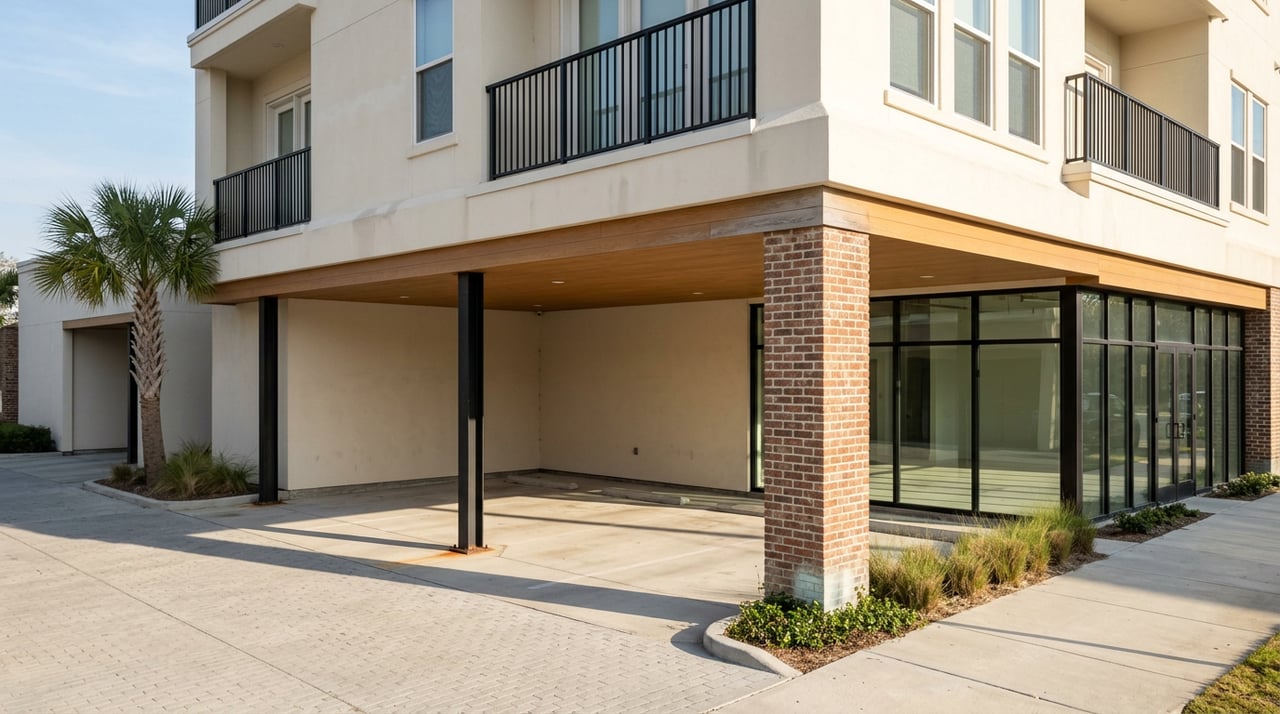
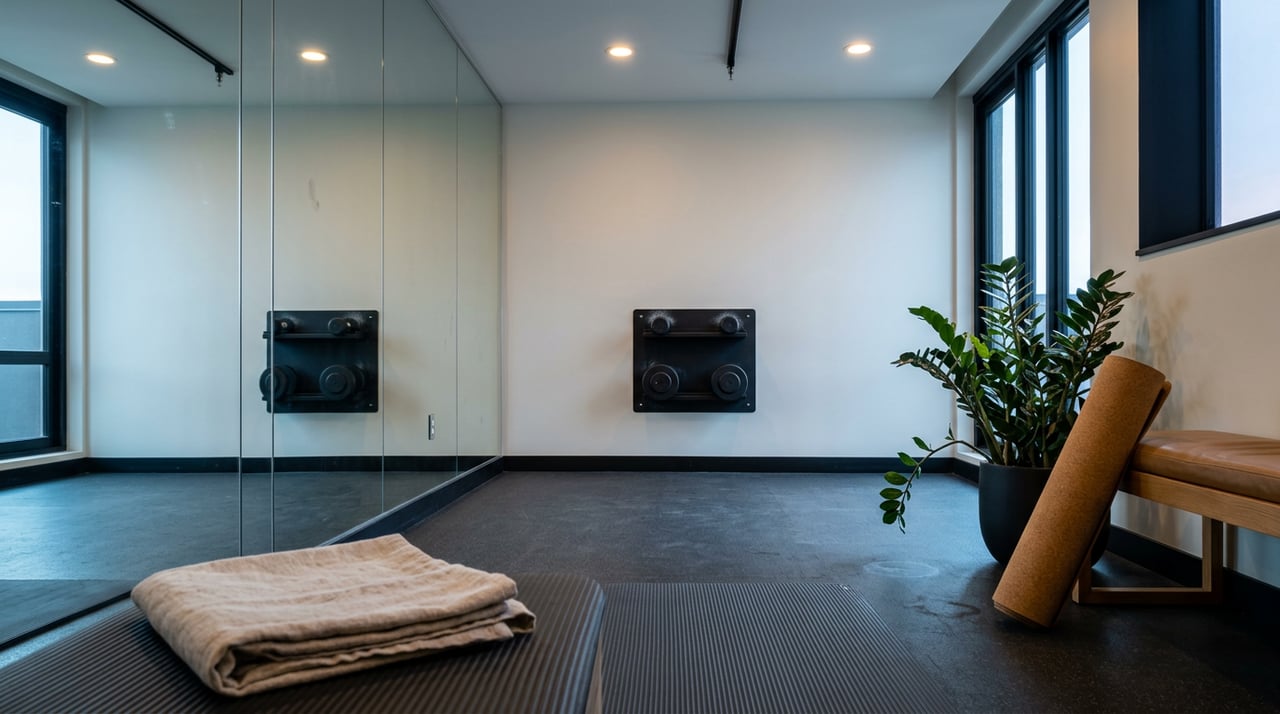
For buyers drawn to the condo side of this decision, 124 Court reflects what many people are looking for in Old Town Bay St. Louis. Public reporting describes it as a five-story mixed-use project close to the beach, shops, restaurants, and Amtrak, with commercial space and owner and guest amenities including rooftop and fitness-oriented features.
That setup aligns closely with the city’s vision for Old Town. It supports upper-floor residential living in a walkable mixed-use setting, with parking managed around the building rather than around a private yard.
The surrounding block also benefits from the public parking garage at 122 Court Street, which adds an extra layer of convenience when downtown is active. For buyers seeking modern finishes, private parking, amenity depth, and a central Old Town location, that can make the condo lifestyle easier to picture in practical terms.
If you are weighing convenience, walkability, and a more turnkey ownership experience against the added independence of a cottage, this is the kind of comparison worth making carefully.
If you want help sorting through which option fits your goals in Bay St. Louis, connect with 124 Court Development to schedule a consultation.
Stay up to date on the latest real estate trends.
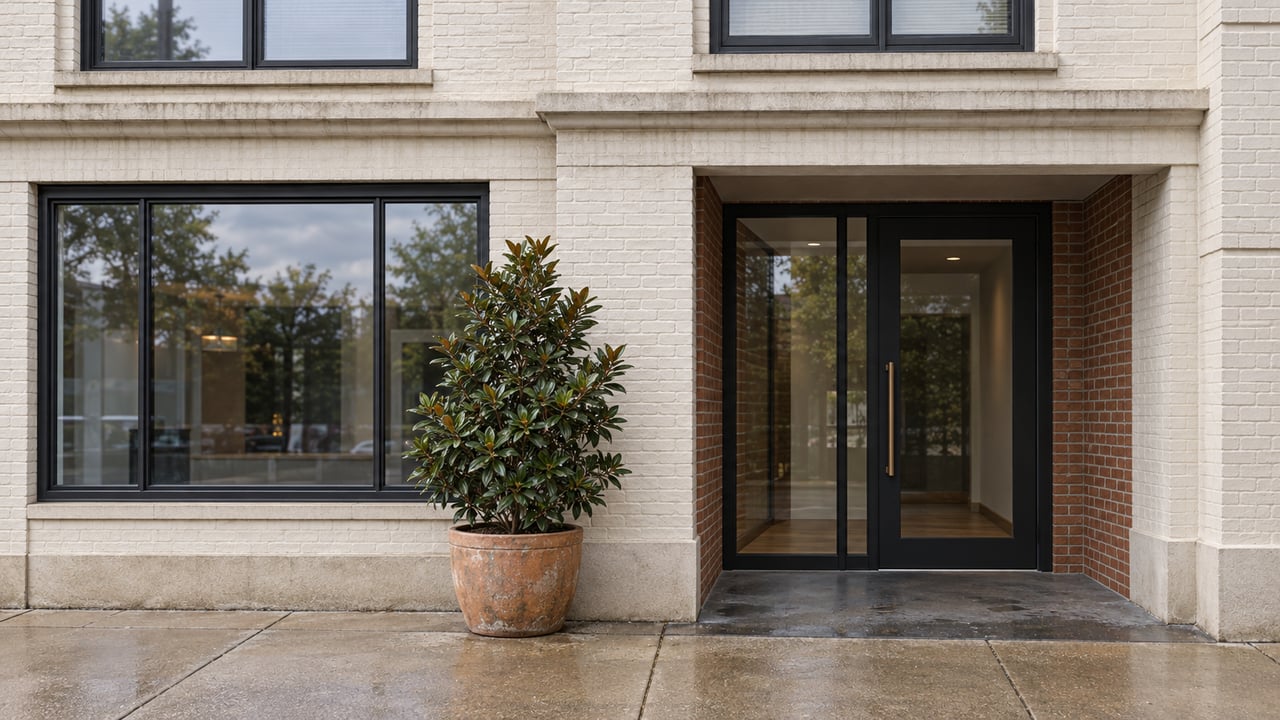
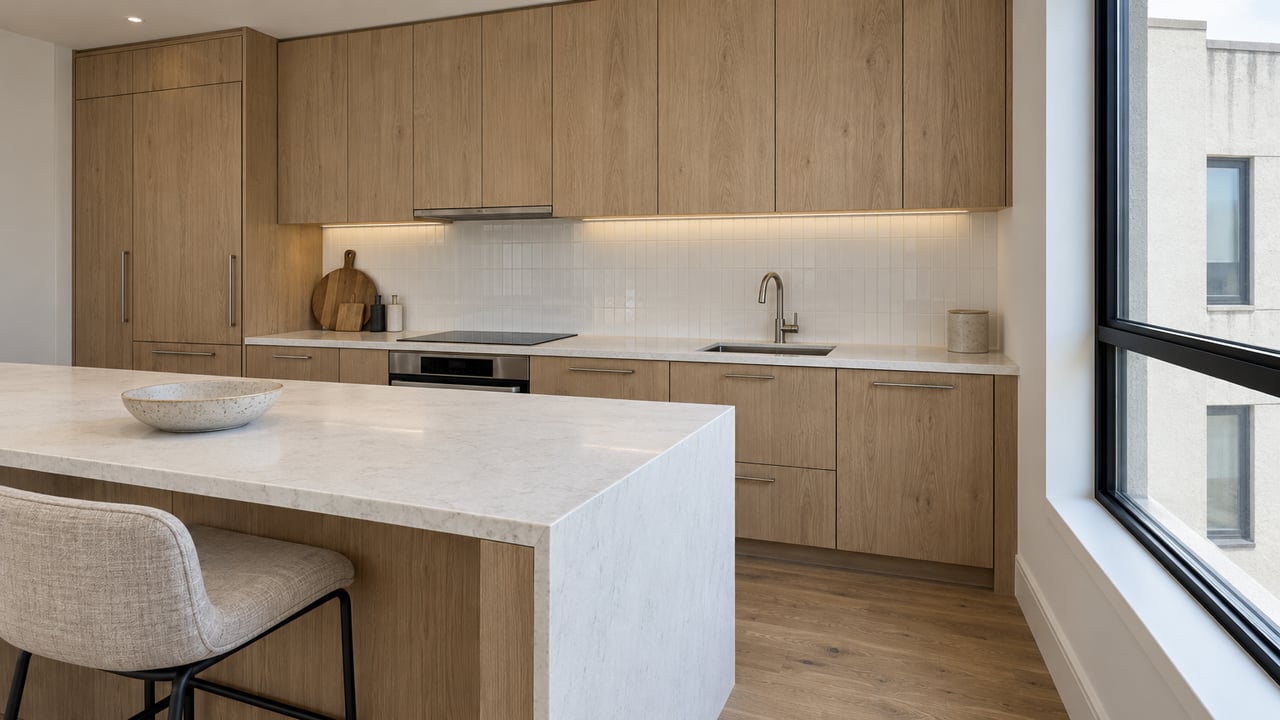
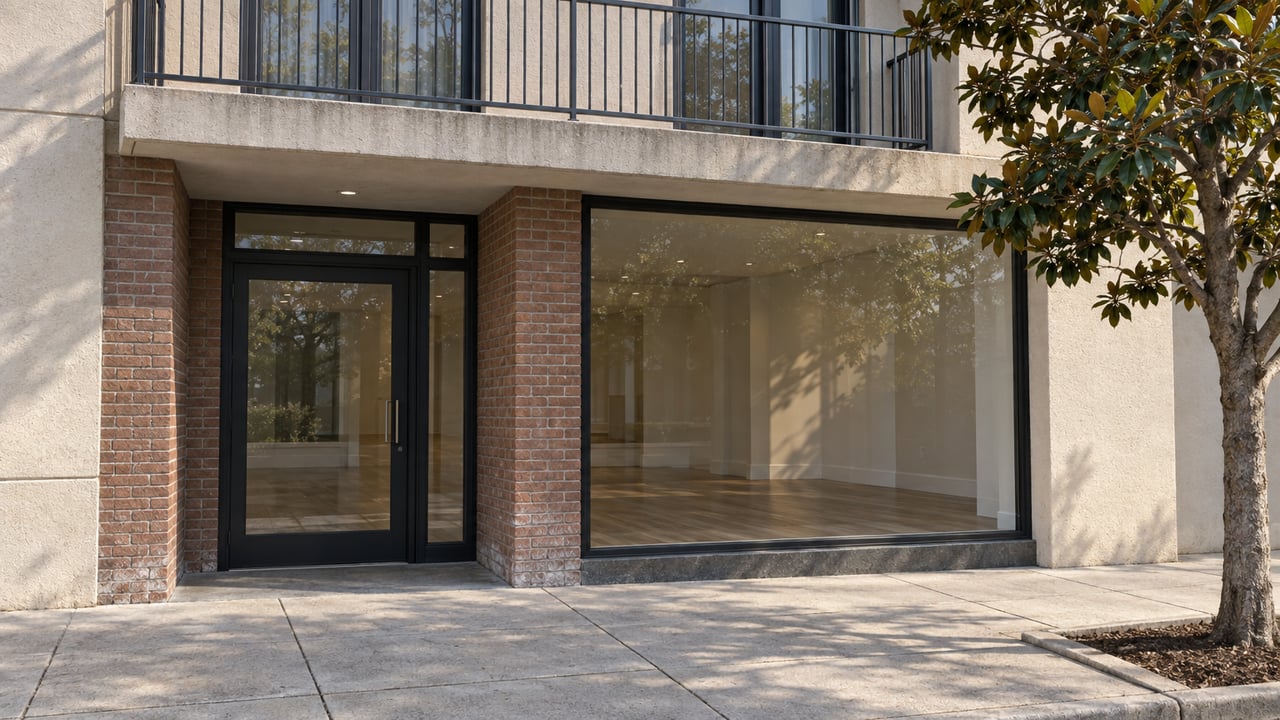
Residential and commercial units available for consideration. For more information or to arrange a site visit, please call developer, Steve Drown, 228-313-1063 or email [email protected]
GET IN TOUCH WITH OUR TEAM TO LEARN MORE

124 COURT ST BAY ST LOUIS, MS 39520