What Bay St. Louis STR Registration Means for Condo Buyers
July 9, 2026
July 9, 2026
Most investors touring Old Town assume the friction in a Bay St. Louis short-term rental purchase lives in the permit file. It doesn't. The city's registration ordinance is a $100 form. The number that should actually move your offer sits in a different column of the spreadsheet: the count of STRs already competing for the same weekend traveler.
That reframing changes what a Court Street condo is worth to an investor. The compliance stack is administrative. The competitive stack is where underwriting either works or breaks.
The Bay St. Louis City Council adopted Ordinance 669-08-2024 on August 20, 2024, requiring every short-term rental operator inside city limits to register with Planning and Zoning. Registration opened October 1, 2024, and enforcement began January 1, 2025.
Here is the entire compliance stack at the city level:
Item | Cost or rule | Where it lives |
|---|---|---|
Annual STR registration | $100, renewed yearly | Bay St. Louis Planning & Zoning, 688 Highway 90 |
Cap on permits | None | Ordinance 669-08-2024 |
Standard | Legal dwelling, safety and operation baseline | City ordinance |
Contact for questions | Planning Director Jeremy Burke, 228-466-5516 |
Read the ordinance and the intent is transparency and code enforcement, not gatekeeping. The Seacoast Echo's coverage of the vote quoted the city describing the goal as identifying operators and preserving neighborhood character, not restricting supply. Mayor Mike Favre framed the ordinance in the same interview as a framework meant to protect owners and neighbors rather than to limit rentals. If your acquisition timeline includes the ninety days after closing, the registration will not be the reason a deal slips.
More than 400 short-term rentals were already registered with the city by late 2024, and the city has explicitly declined to cap that number. When the ordinance passed, WLOX reported the market was operating at roughly 55% occupancy.
That is the mechanism a buyer needs to price. A 55% blended occupancy in a market with no permit cap means new inventory competes on differentiation, not scarcity. If the city had capped registrations at, say, 300, an existing permit would carry embedded value and pro formas would tilt toward higher achievable ADR. Bay St. Louis chose the opposite path. Every future condo, cottage, garage apartment, or new-build with a legal certificate of occupancy can enter the pool.
For a Court Street underwrite, that means the operative question is not "will the city let me rent this," but "why will a traveler pick this listing over the four hundred already competing on Saturday night in October." The answers that hold up under that pressure are structural: walkability radius, parking, elevator access, amenity depth, and product age. Yield chasing on a saturated street corner in a market with no cap is a slower path than owning the listing a guest picks first.
Two tax lines sit on top of every stay. The Mississippi Department of Revenue administers a 2% Hancock County Tourism Tax on gross room-rental proceeds from hotels, motels, and similar establishments, defined in the 2021 authorizing legislation to include condominium and time-share establishments serving transient guests. State sales tax sits on top of that. Whether the platform collects both, one, or neither depends on the marketplace and how the booking flows, which is a question for your accountant rather than a marketing page.
The equity question is unresolved at the state level. During the 2025 session, Mississippi legislators discussed HB 919 and SB 2805, which would treat third-party short-term rentals more like hotels for occupancy tax purposes. Hancock County Administrator Jimmie Ladner argued in that coverage that the change is a matter of equity and revenue. Any investor closing in 2026 should confirm the current status of that legislation with counsel before finalizing a pro forma, because a shift toward parity would compress the effective-price gap independent STR operators have historically held against hotel product on the coast.
Three variables carry disproportionate weight when the permit is a rubber stamp and the supply is uncapped.
Walkability radius. An Old Town condo places a guest within a few blocks of the harbor, Beach Boulevard, the Second Saturday footprint, and the restaurant density on Main and Court. A cottage two miles inland does not. In a 400-plus-listing market, the search filter guests apply first is usually distance-to-restaurants.
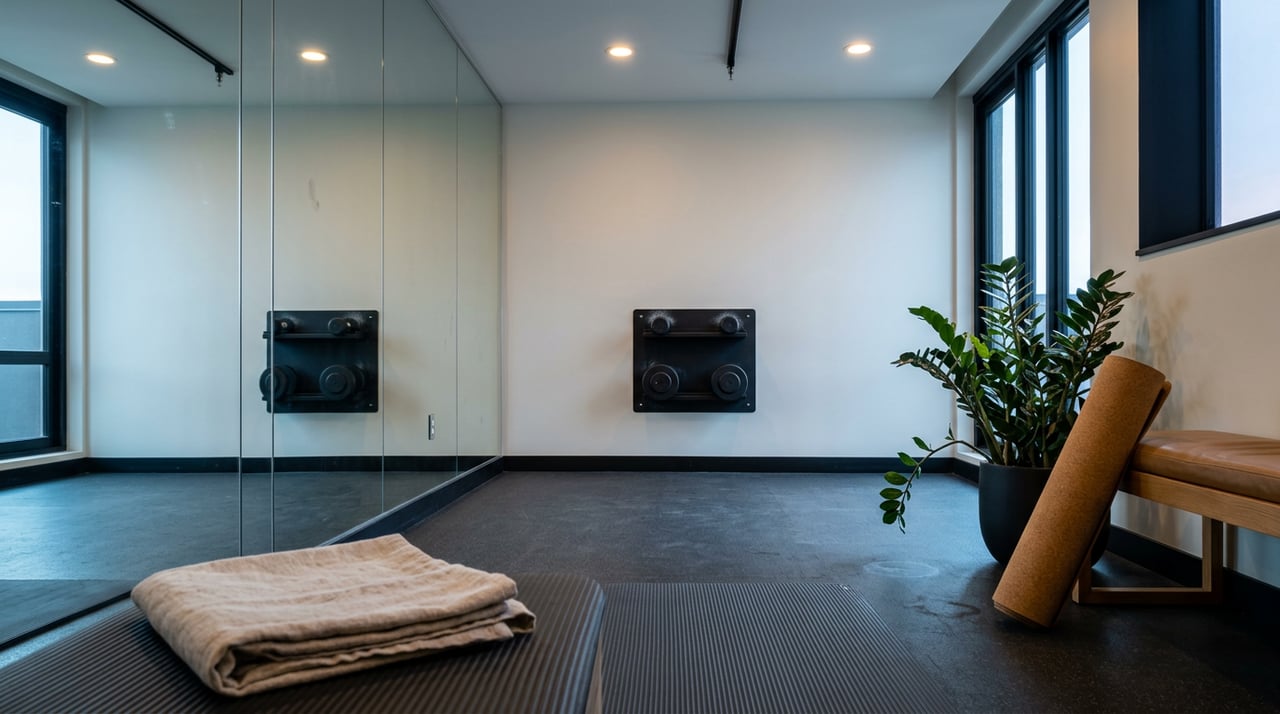
Amenity depth against a saturated field. Rooftop access, a fitness room, a library, secure storage, and covered parking are line items on a listing page that a stand-alone cottage cannot match without significant capex. When occupancy sits near 55%, the marginal booking often goes to the listing with the deeper amenity screenshot.
Flood Zone X positioning. Insurance carries and closing timelines look different for a Flood Zone X property than for a listing in a mapped flood zone. That flows through both operating expense and resale liquidity. It is worth confirming the exact zone designation with your carrier and lender against current FEMA mapping before you sign.
A short list of items an investor buyer should have in hand before closing on any Bay St. Louis STR-intended condo:
Does the city cap how many short-term rentals it will permit? No. WLOX reporting quoted Building and Zoning Administrator Jeremy Burke saying that if a property is a legal dwelling, it is allowed to rent, and city officials have publicly stated they do not plan to cap the total number of STRs.
When did enforcement of the registration ordinance actually begin? Applications opened October 1, 2024, and city enforcement of Ordinance 669-08-2024 began January 1, 2025.
Does the association or the city take priority if the two disagree on rental rules? Both apply. The city ordinance sets the registration and safety floor. A condo association's covenants can add restrictions on top of that floor, including minimum stay lengths. Read both documents before you write an offer.
Is any of this tax or legal advice? No. Confirm registration status directly with the Bay St. Louis Planning and Zoning Department, tax obligations with the Mississippi Department of Revenue and a licensed CPA, and any pending state legislation with counsel before you close.
If you are evaluating an Old Town condo for short-term rental use and want a straight conversation about which units in the building underwrite cleanly against a 400-plus-listing market, 124 Court Development will walk the numbers with you in person. Schedule a consultation to see the residences, the rooftop, and the walkable radius that shapes the pro forma.
Stay up to date on the latest real estate trends.

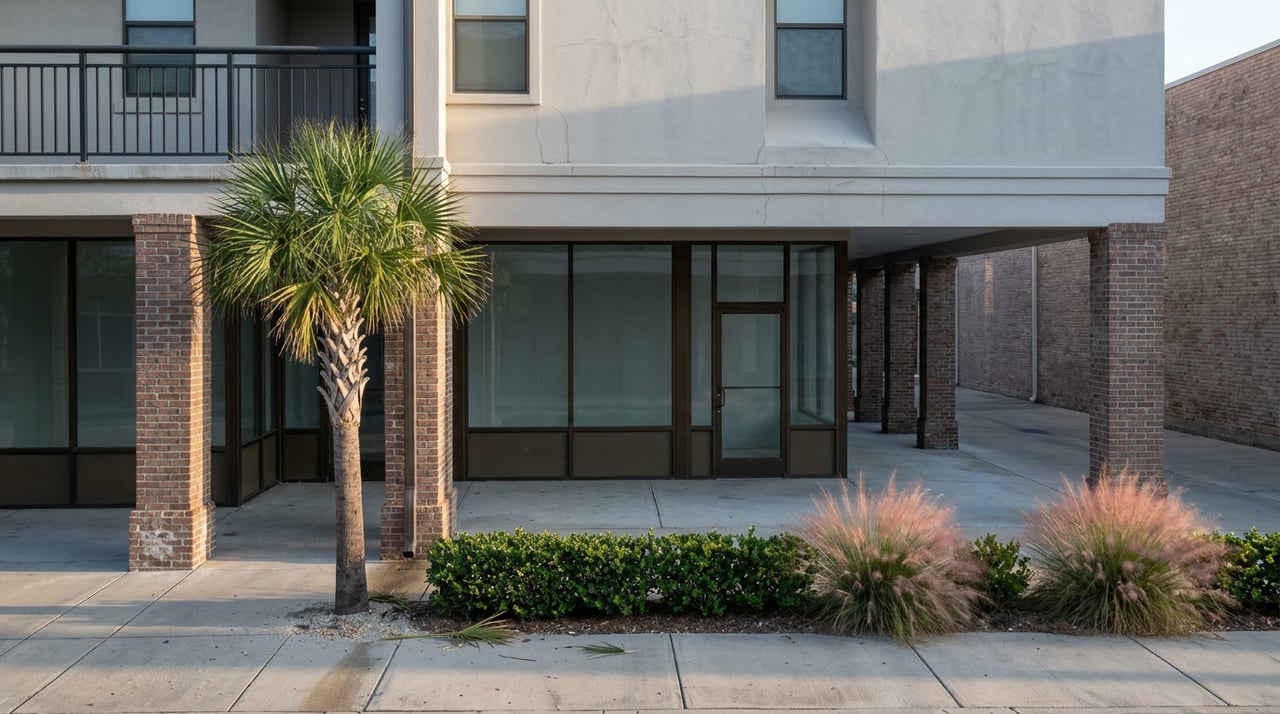
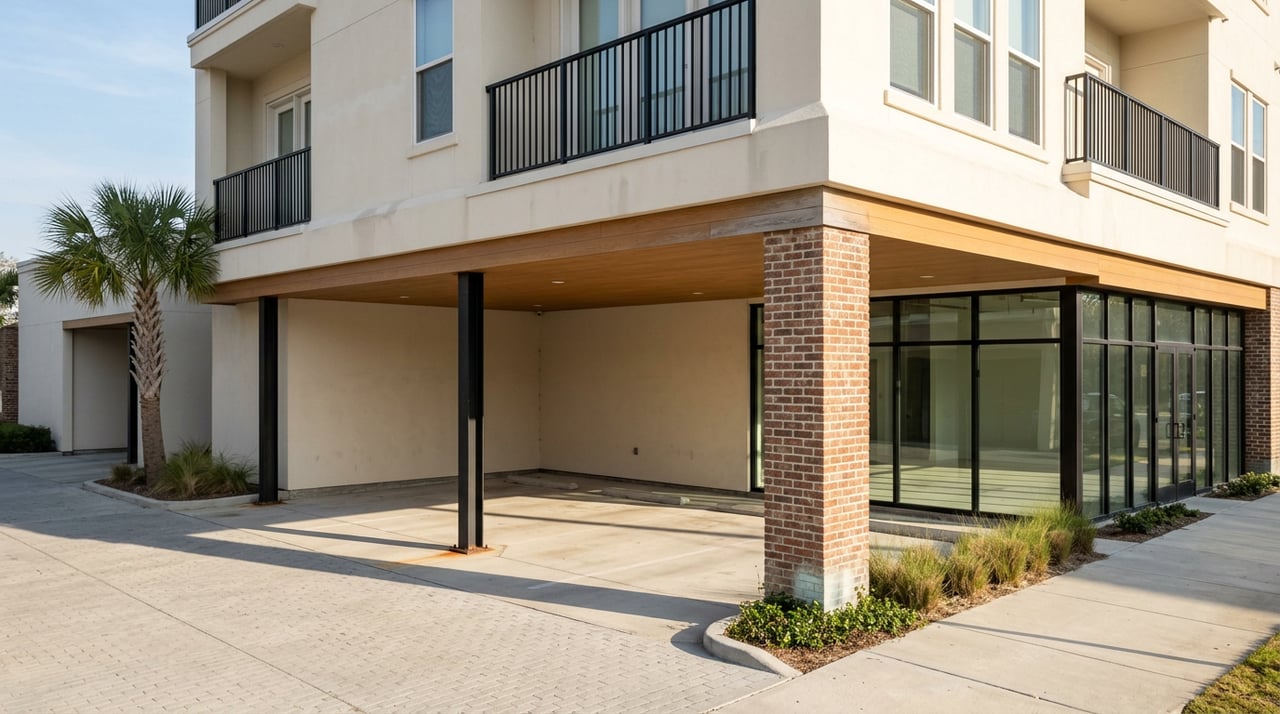

Residential and commercial units available for consideration. For more information or to arrange a site visit, please call developer, Steve Drown, 228-313-1063 or email [email protected]
GET IN TOUCH WITH OUR TEAM TO LEARN MORE

124 COURT ST BAY ST LOUIS, MS 39520